Cosmic Chronicles: Unveiling the Secrets of Planets
The universe is a boundless ocean of mysteries, and among its most captivating wonders are the planets. Each one carries a unique tale of birth, survival, and transformation. By studying them, we discover not only the diversity of worlds but also the fragile balance that makes life possible.
Mercury: The Swift Messenger of the Sun
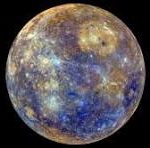
Mercury, the smallest planet, orbits the Sun in just 88 days. With no protective atmosphere, it faces extreme conditions—searing heat by day and freezing cold by night. Its cratered surface, resembling the Moon, offers a window into the Solar System’s earliest history.
Venus: The Fiery Twin of Earth
Though similar in size to Earth, Venus is a hostile world. Its thick atmosphere traps heat in a runaway greenhouse effect, making it the hottest planet, with temperatures high enough to melt metal. Shrouded in clouds of sulfuric acid and marked by volcanic landscapes, Venus reveals the destructive power of imbalance.
Earth: The Cradle of Life
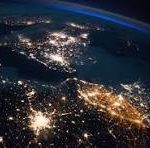
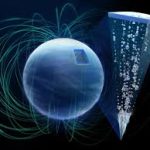
Earth is the only known planet to sustain life. Positioned at the perfect distance from the Sun, it holds liquid water and a protective atmosphere. Its ecosystems—from oceans to forests—flourish under a delicate balance of climate and geology. A magnetic shield defends Earth from harmful solar radiation, making it a rare oasis in the cosmos.
Mars: The Red Frontier
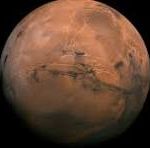
Mars, the “Red Planet,” has long inspired dreams of exploration. Its rusty terrain, carved by ancient rivers and valleys, suggests water once flowed there. Today, icy poles and vast dust storms dominate its surface. With ongoing missions, Mars remains humanity’s prime candidate for a future home.
Jupiter: The Giant Guardian
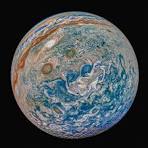
Jupiter, the largest planet, is a gas giant of immense power. Its Great Red Spot—a storm larger than Earth—has raged for centuries. With colossal gravity, Jupiter acts as a cosmic shield, deflecting asteroids and comets that might otherwise threaten Earth.
Saturn: The Ringed Wonder
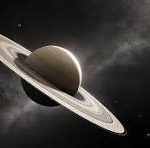
Saturn’s shimmering rings, made of ice and rock, stretch thousands of kilometers wide, making it one of the most breathtaking sights in the universe. Its moons add to the intrigue, especially Titan, which has methane lakes and a thick atmosphere—raising questions about life beyond Earth.
Uranus: The Tilted Ice Giant
Uranus stands out for its sideways rotation, likely caused by a massive collision. This tilt creates extreme seasons. Its pale blue glow comes from methane in the atmosphere, while its hidden interior remains a puzzle scientists are eager to solve.
Neptune: The Windy Blue World
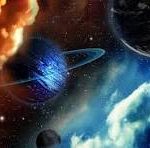
Neptune, the farthest planet, is a realm of fierce storms and deep blue beauty. Winds there reach astonishing speeds of over 1,500 km/h. Despite its distance from the Sun, Neptune radiates more heat than it receives, hinting at powerful processes within.
Conclusion
The planets are not just distant spheres; they are dynamic worlds that reveal the universe’s complexity. From Mercury’s speed to Neptune’s storms, each planet embodies a different facet of cosmic reality. Together, they remind us that the universe is alive with diversity, motion, and endless wonder.
Search my topics
Recent Posts
- Cosmic Chronicles:Blackholes and Wormhole February 7, 2026
- Cosmic Chronicles:Milky Way Madness February 6, 2026
- Cosmic Chronicles:Legend of Planets February 5, 2026
- New Year 2026 – A new Beginning for all January 1, 2026
- The Abyss: Earth’s great graveyard December 26, 2025
Categories
- All Categories
- All Categories
- Animals and Nature
- Book reviews
- Bubloo Scientist Updates
- Chemistry
- Coding and languages
- Computer Projects
- Food and Nutrition
- Geography
- Historical Science
- History
- Huzaifa's Blogs
- IT
- Mathematics
- Modernized world (New things)
- My business
- My travels
- Physics
- Science and Technology
- Space and Atmosphere
- Sports